Explain which spaces must stay available and what can be cleared. The company must confirm how work fits those conditions.
Living at home while a renovation finishes leaves decisions that square metres do not resolve. The kitchen may remain in use, the bedroom may hold your belongings and you may only be able to clear one room at a time. Explain these conditions before agreeing cleaning so the proposal describes work that can be organised in your home.
Prepare the job around areas you still use. If building work still affects that use, ask those responsible what must be finished or confirmed before the visit.
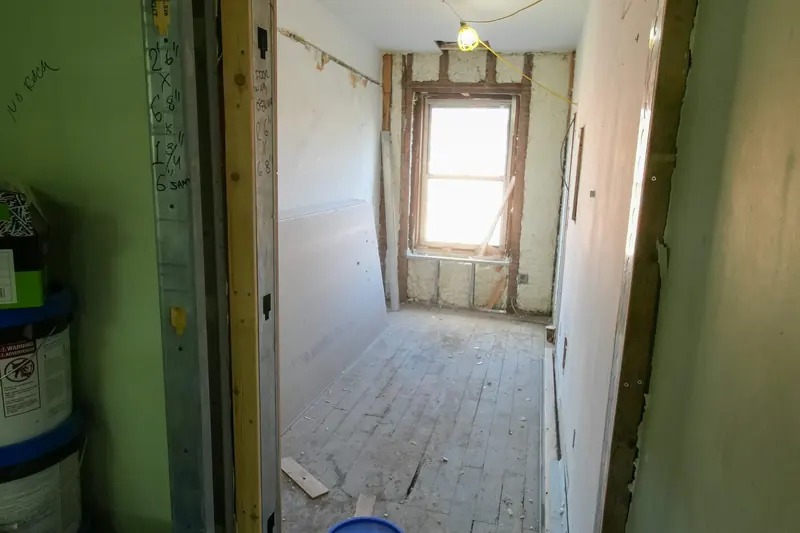
Decide which area can be cleared
Walk through the home and separate three situations: areas available for work, areas you need to keep using and areas whose preparation still depends on someone else. A room is not available simply because you are not in it: it may contain clothes, boxes or furniture nobody has agreed to move.
Fictitious example: you need the renovated bathroom and hallway cleaned and can clear them, while still using part of the bedroom. Explain which areas must remain accessible and ask whether the company can organise work that way. This does not imply two visits are needed or the job is accepted.
- Identify areas to clean and the use they must retain.
- Mark furniture and belongings that will stay inside.
- Agree who empties, moves or replaces each item.
- State which areas still depend on other work finishing.
- Ask what preparation the company needs to assess the visit.
Belongings need an agreement
Do not leave the company to decide which objects may be moved. A box may contain leftover material, documents or a part you want kept. Separate that information before work and mark what must not be handled. If you cannot empty a wardrobe, ask which parts can be cleaned and which will be excluded.
Agree the division of tasks: for example, you remove small objects, the installer collects tools and the company confirms accessible areas. Each person must accept their task before you count on it.
If furniture blocks access, ask for an assessment of who can move it and where it will go. Do not move it before that assessment or describe it as ‘easy to move’ to treat the task as settled.
Coordinate kitchen and bathroom use
If a room must stay available, be precise: ‘We need to confirm when it can be used and what must be cleared.’ Do not replace a missing answer with a duration read for another service. The company must explain how work fits your home's conditions.
Distinguish worktops, fronts and interiors, and do not assume furniture contents or appliances are included. An area may be in scope while some parts are excluded because of use, access or lack of assessment. Put those exclusions on the same list you will use to check the result.
If what you can clear changes during preparation, notify the company before the visit. ‘The wardrobe will be empty’ and ‘the wardrobe will stay full’ are different situations even with the same bedroom area. The proposal needs to match the condition the company will find.
Building work still outstanding
Ask about each area, rather than just the general completion date. A hallway task may remain while the bathroom is available. Note who confirms the state and which items they must remove. If another trade will work again after cleaning, discuss coordination of both visits without assuming repeat cleaning is included.
Gather new finish references for the company. You can keep an area awaiting assessment without confusing it with confirmed parts.
Before finalising the visit
Review access, the contact person, prepared areas and parts remaining outstanding with the company. Do not put entry codes or unnecessary details in public documents. If handing over keys, agree directly how and who confirms their return.
On completion, walk through areas with the agreed list. A part that stayed occupied or was excluded must not be confused with a confirmed task still outstanding. Describe observations, location and the explanation missing. If another visit is proposed, confirm its scope and terms before counting on it.