The calculator does not assess rubble removal separately. Describe remaining materials and confirm what removal the company proposal includes.
The after builders cleaning calculator does not price rubble removal separately. If materials, tools or packaging remain in the home, describe them and ask who removes them before cleaning. A proposal mentioning the service does not automatically resolve these tasks.
Note what stays, what has agreed removal and what remains outstanding. Describe unknown materials without assigning a technical category. Waste management must be confirmed with whoever undertakes it.
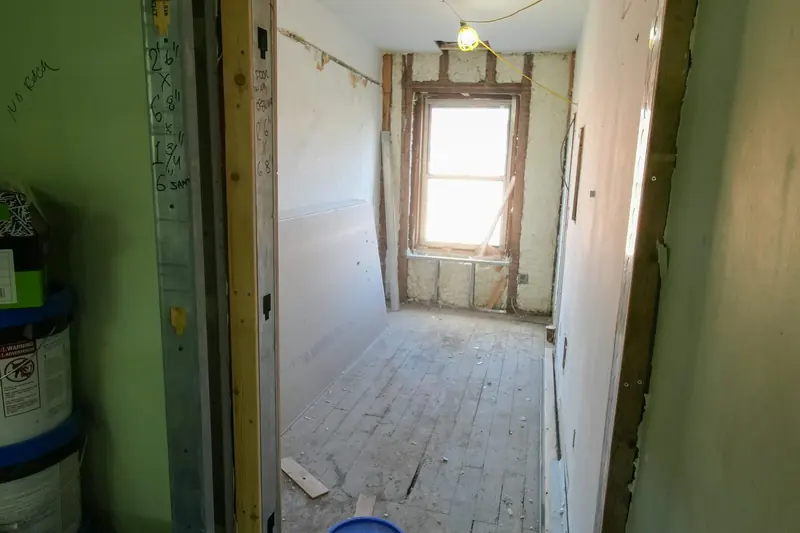
Three issues that may coexist in one room
A room may have surface dust, adhered residue and objects or materials taking up space. These are different details for the company. Requested cleaning must identify included parts, while removal needs agreement on who handles it and under what conditions.
Packaging may seem unnecessary yet hold a finish reference you need. A box may contain spare parts you want to keep. Before asking for ‘everything left’ to be removed, check what should remain and mark that decision clearly.
Adhered residue also needs its own information. Note location and origin if known, alongside the material reference. Do not confuse it with loose items someone will collect. Removing a box does not confirm a stain can be removed without affecting the floor.
Prepare a list without diagnosing the material
In this fictitious example, the installer's tools remain in the hallway, packaging needs the owner's review and the destination of some leftover material is undecided. Floor and frame cleaning has been requested, but who will clear the whole area is not agreed.
| Area | Observed item | Decision | Who confirms it |
|---|---|---|---|
| Hallway | Tools | Need collecting | Person responsible for building work |
| Living room | Packaging | Review what stays | Owner |
| Bathroom | Leftover material | Removal outstanding | Agreed person responsible |
| Bedroom | Box of parts | Stays | Owner |
If you do not know what a bag or box contains, ask whoever left it. This list identifies items; it does not determine how they may be disposed of.
Agree the division before the visit
You can ask: ‘Cleaning includes these areas, but materials remain in the bathroom. Does the proposal include removal, or must they be collected beforehand?’ Add a description or authorised photo if helpful, without handling the item to establish its composition.
If the company offers removal, confirm what it assessed, who will do it and the conditions or amount for that part. If not, ask whoever manages building work how the area will be made available. Do not assume a cleaning company performs every type of removal or that a directory listing establishes that service.
Agree where retained items will go and who moves, protects or replaces each object. Asking to ‘clear the area’ does not authorise deciding which belongings are thrown away.
When waste management is mentioned
How waste is removed and managed depends on what it is and local conditions. Do not infer that a container, collection point or transport is authorised because it is nearby. Ask the person responsible for building work or the professional managing waste to explain the scope.
If you need to verify a local condition, use official information for the municipality and identified waste type. This guide does not assign legal categories from photos or give transport, mixing or disposal instructions. Decisions must rest on information those responsible can check.
How it affects agreed cleaning
Notify the company if the area will not be cleared as planned. It needs to review which parts it can reach and whether job conditions change. The same floor area may mean different work when items remain that nobody accepted moving.
The area field records square metres of affected floor. Removal is assessed through its own description and must be distinguished in the proposal, alongside outstanding parts.
Before the visit, review the list with those involved. Mark retained items and confirmed removals and report changes. If part of a room remains outstanding, identify the missing decision; do not turn an unagreed task into a demand when reviewing the result.